

“Orphans are easier to ignore before you know their names. They are easier to ignore before you see their faces. It is easier to pretend they’re not real before you hold them in your arms. But once you do, everything changes.”
~~ from “Radical” by David Platt
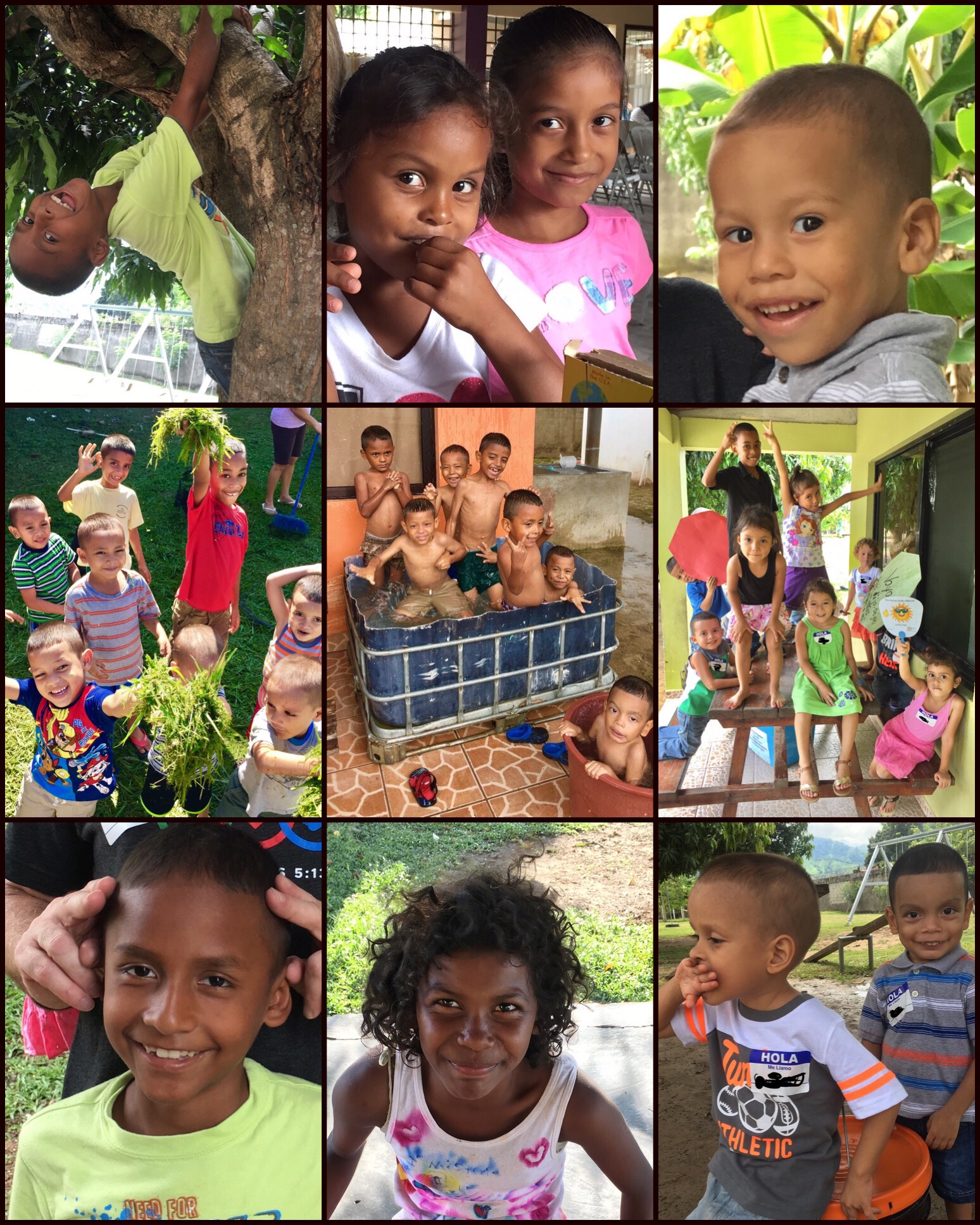
I have not read David Platt’s book and am not, therefore, recommending it. But I came across this quote, and it rings so true for me. Now I know these names, have seen these faces, and held these orphans in my arms. Now I can’t seem to get them out of my mind.
There are about 70 of them at the Open Door Ministries (ODM) orphanage in Tocoa, Honduras, where my husband and I recently traveled with a mission team from our church and two other churches. I went hoping I might make even a little difference in the life of maybe one child. But it was the children who have changed my life – and my heart – forever.
I had assumed that the children, the orphans, had lost their parents to death or disease. While that is true for a handful of the children at ODM, there are so many more stories of how the children have been orphaned – each sadder and more horrific than the other. They have been abandoned, sold, resold, physically and sexually abused, found sitting on top of trash heaps, and seen sleeping in the streets. They have been brought in by the local police after they have been abused by family members. Some have been born at the orphanage to mothers who are just children themselves – children too young to know how to be mothers. These young mothers were sexually abused by a trusted adult or pulled into vacant buildings and raped while walking home from school.
UNICEF estimates there are over 180,000 orphans or abandoned children in Honduras. Many of them become beggars, child laborers, gang members, and easy prey for traffickers.
One study shows that 10,000 Honduran children are prostituted and sexually exploited each year. The average age for a first pregnancy is 15.3 years old. More than 60 percent of the female population are introduced to their sexual life by rape or abuse. We were told it is “just part of the culture” there. According to another study, 70% of the Honduran population believe the child is the one responsible for the sexual exploitation. Only 5 percent blame the clients and the offenders.
Honduras is also, by definition, a third-world country. It is among the poorest countries in the world and the poorest in Central American. Roughly 65 percent of the population live below a poverty level the equivalent of $2 a day. Eighty percent of Hondurans live in an area without clean drinking water and sanitation.
That’s a lot of statistics, and the numbers can seem daunting. But behind every number is a person – a child.
So, what did we do while we were there? We worked on projects at the orphanage while the children were in school, and we played with them when they were dismissed. One team spent a day pouring a concrete roof on a house being constructed for the girls. The work had to be done without concrete trucks, so an assembly line which included Honduran laborers was formed to pass buckets of concrete up a ladder for 14 straight hours. We repaired toilets, light fixtures and broken windows. We installed a countertop in one of the children’s houses. We set up a library with books we brought with us in our 21 checked bags. We visited feeding stations and made hospital visits where we distributed diapers, onesies, nursing gowns, and children’s clothes and toys which we also brought with us. We brought some Vacation Bible School materials in Spanish and set up VBS-style stations for crafts and learning. We played Legos which we also brought in our luggage. We gave the girls a spa day including manicures and pedicure. We played soccer, frisbee, cards, and board games. And we hugged and loved children.
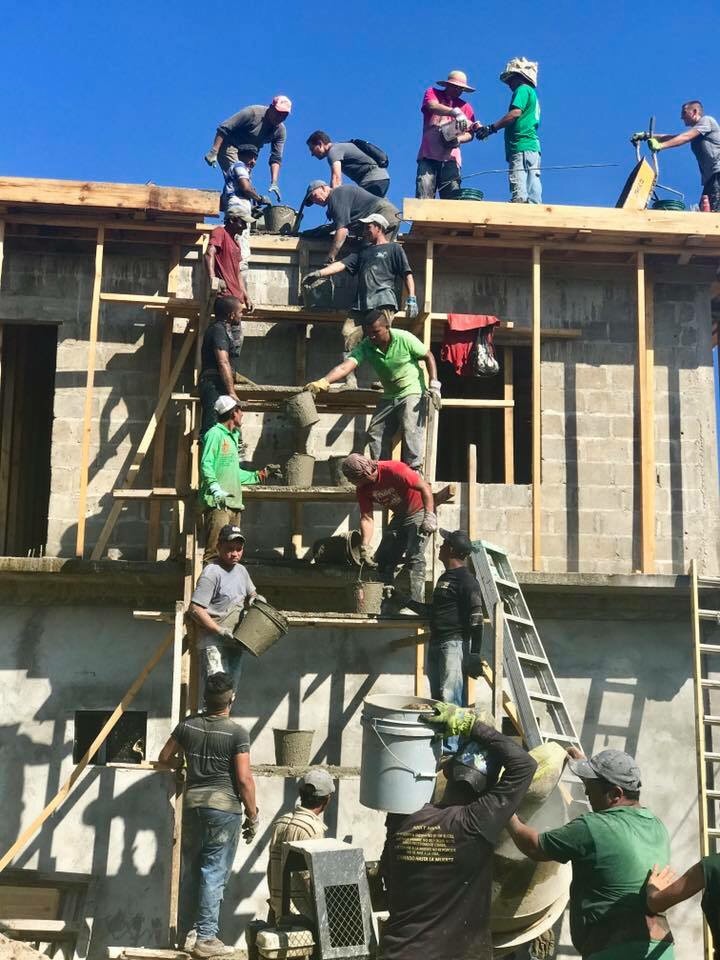 Cement bucket assembly line
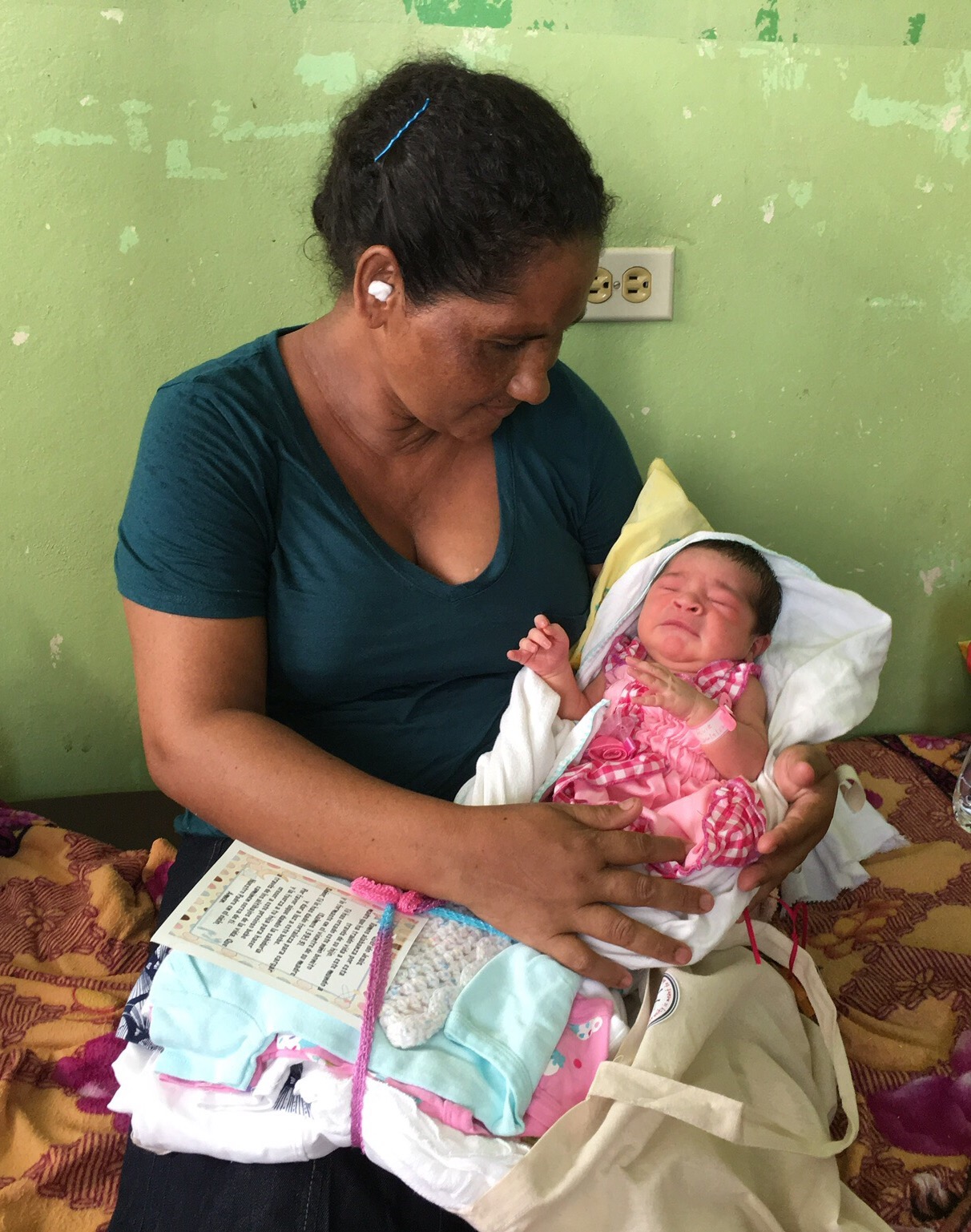 Visiting the hospital maternity ward
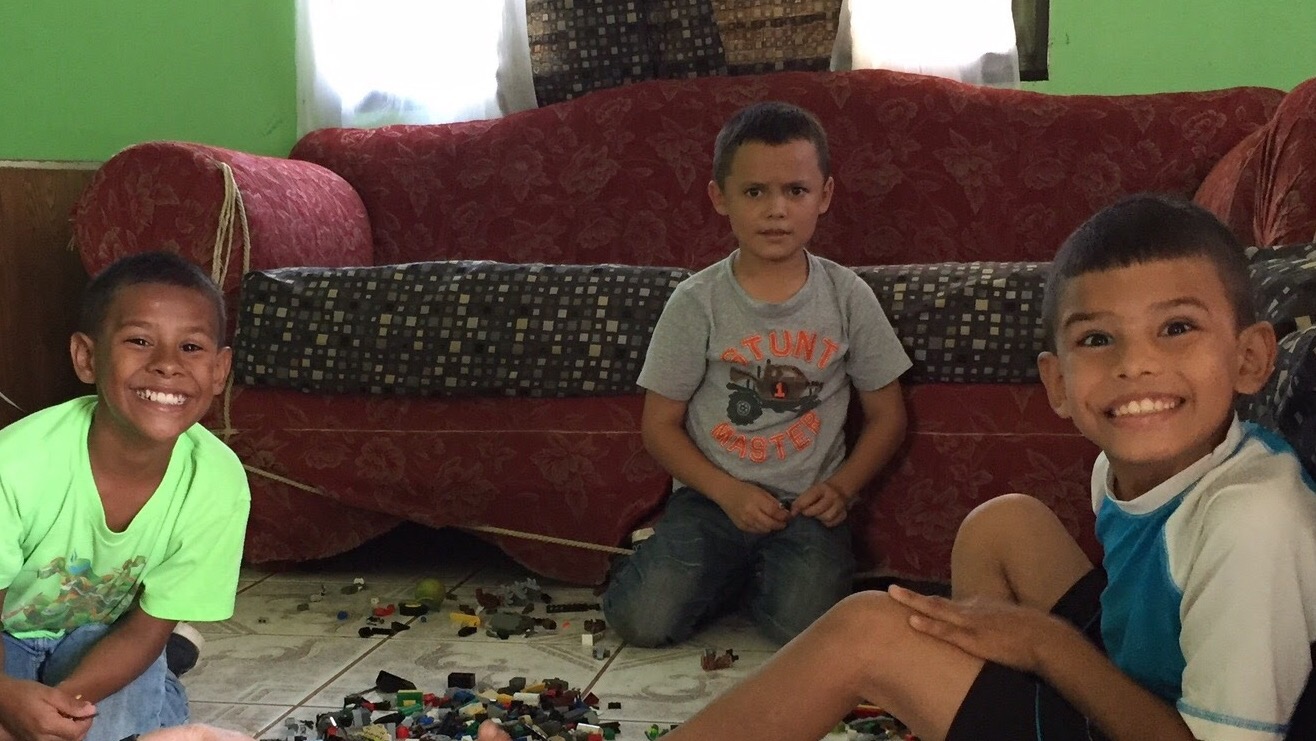 The universal language of Legos
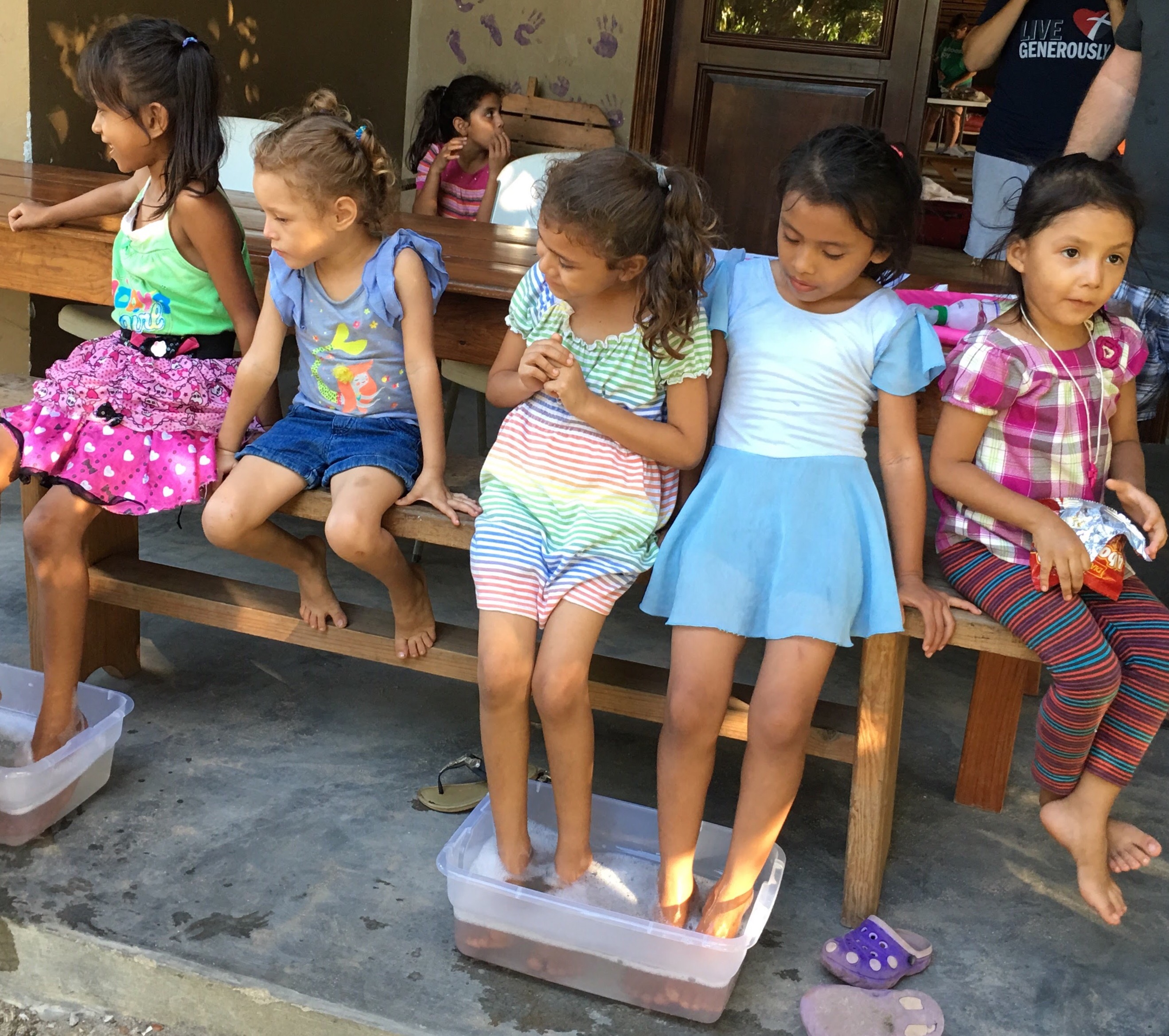 Mani-pedi customers
Easily the most heart-wrenching experience during our stay in Honduras was the day we went to one of the feeding stations in the squatters section of town. In this area, people make shelters out of whatever trash they can put together to make a roof and four walls. We were warned to keep moving our feet and to watch were we stepped so we wouldn’t be swarmed by red ants. We were advised not to leave our water bottles anywhere that children with infectious diseases might pick them up and drink from them. And we were told to avoid contact with the children because they may have skin and scalp conditions and infectious diseases.
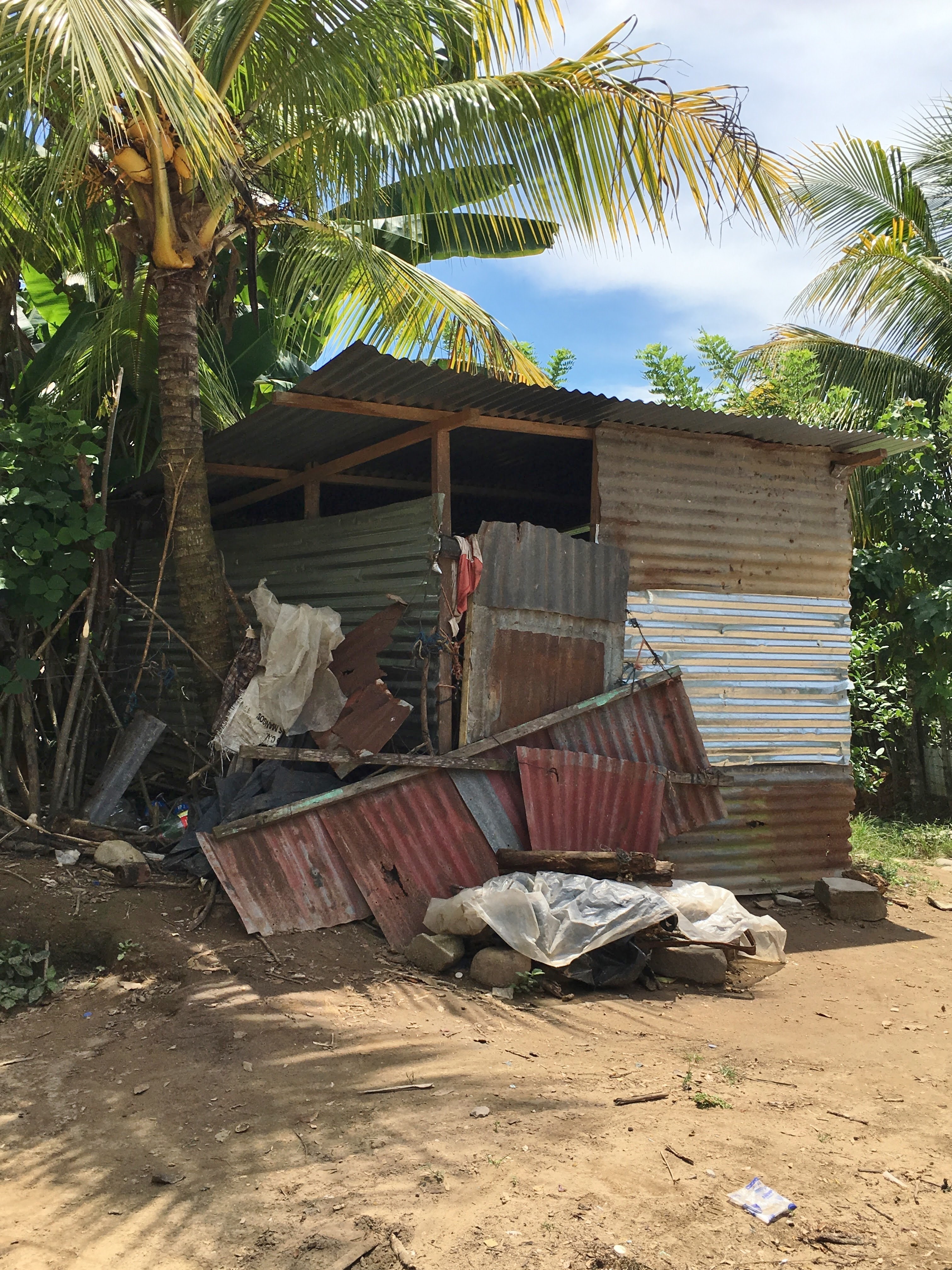 One of many shanties
Our team arrived in two vans filled with bags of shoes, tubs of clothes, and cases of toiletry kits to distribute with the food. We stepped out of the vans to see children already running toward us with bowls in hand, anxious for one of the three feeding station meals they receive each week. We set up a bit of an assembly line to distribute the items and food. And the children just kept coming. We tried to keep some order to the distribution, and some of the area women linked hands forming a human chain to hold children back in line.
Normally a mass of children running toward me and crowding around me would make my heart smile. But I was fighting back tears at the sight of these children. Most of the them were not wearing shoes. Their feet were dirty and had sores on them. Their skin was patchy with rashes. Their eyes were sunken. Their hair was dull and disheveled. But what I noticed mostly was that not one of them smiled. These were not happy carefree children. They withdrew from attention and stiffened when I hugged them. They were focused simply on getting a bowl of pasta.
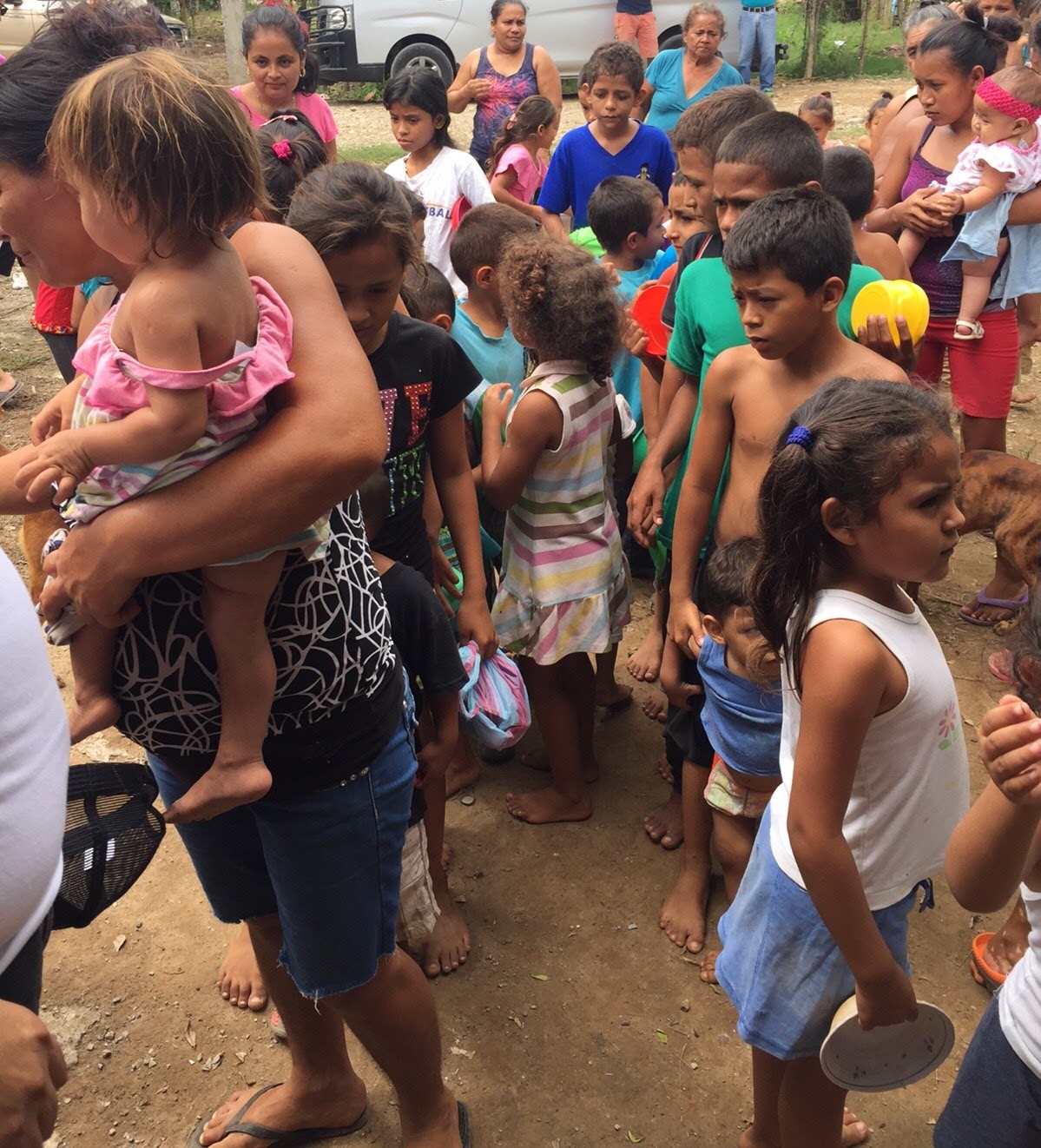
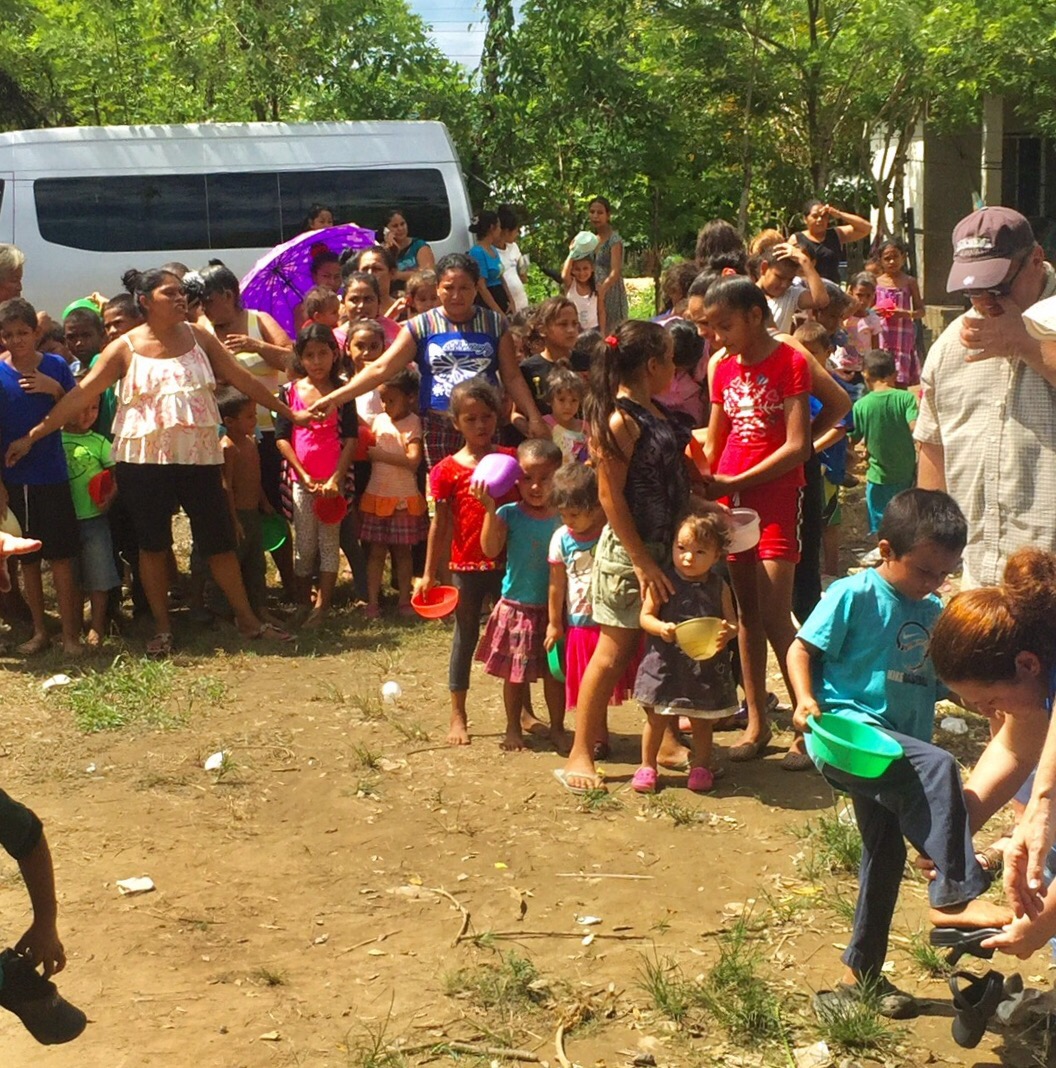 Feeding station
All too quickly we ran out of supplies and food. Someone had counted that we fed 211 children. And we estimated that we had to turn away 50 to 60 hungry, barefoot, and sad children. I looked up to see that one unfed child belonged to one of the women who had been helping hold back the line of children. All I had to offer her was a hug. But even our hug was brief because we had been told ahead of time that, as soon as we ran out of food, we needed to make our way quickly to the van because things could change in a hurry. But I was sobbing. I looked for my husband and saw that he was also crying. People were going past me carrying empty tubs back to the van, but I couldn’t get my feet to move until someone took my elbow and led me to the van. The 15-minute ride back to the orphanage seemed to take hours.
When we drove back through the gates of the orphanage, I became acutely aware of the difference between the children at the feeding station and the children at the orphanage and of the good that ODM does. The orphaned children – those abused and abandoned children found on trash heaps or sleeping in streets – suddenly seemed like the fortunate ones. ODM has given them food, shelter, clothes, education, medical and dental care, and love. And it has given them back their smiles.
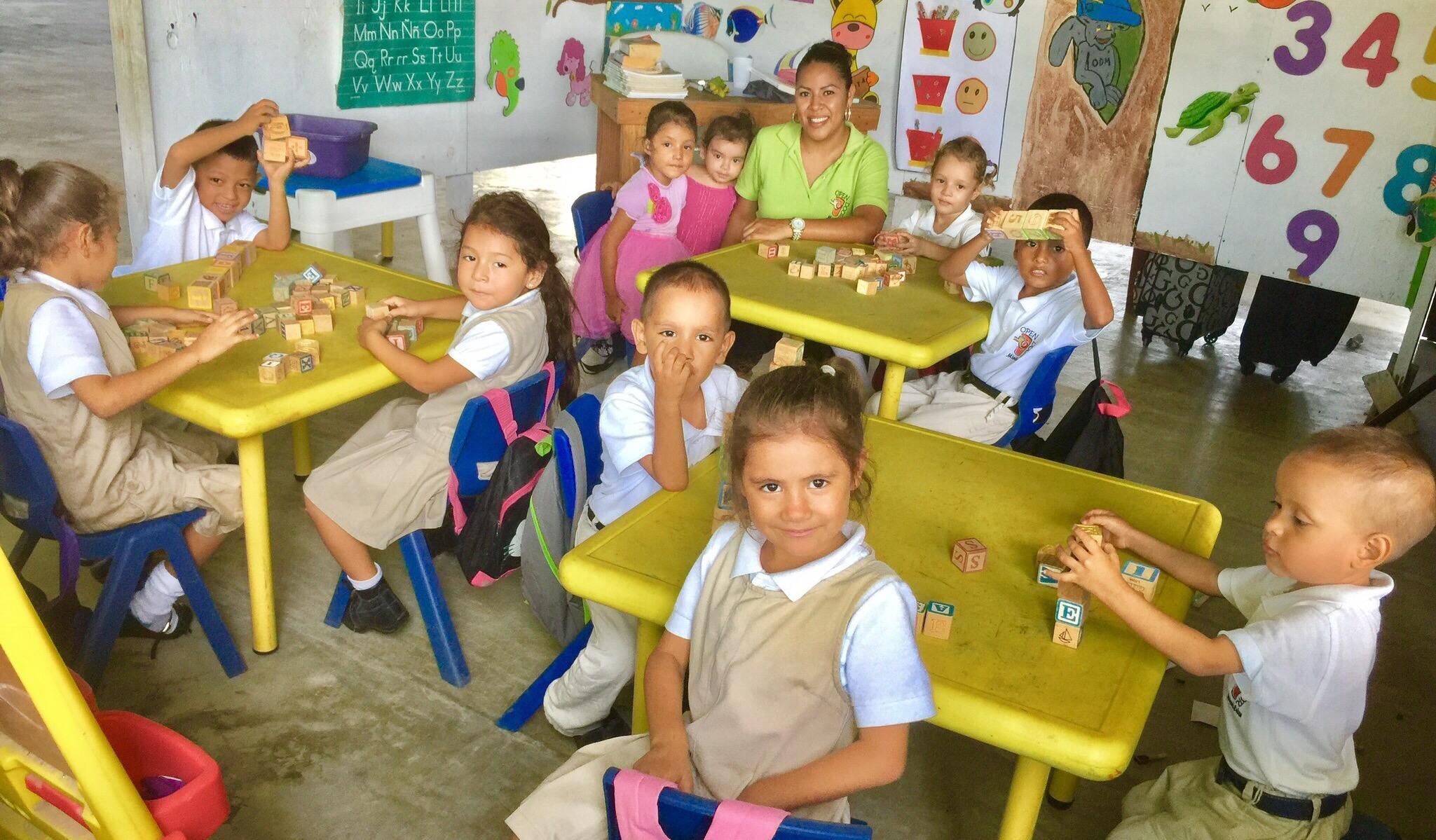 Children in town are required to wear uniforms to school, so ODM requires the same of the children who attend school at the orphanage.
Yes, it’s true that they don’t live with their parents and, except for a few, are separated from their siblings. But ODM has also given them a family. The children at the orphanage are a family. They are brothers and sisters. They have a bond, a common experience, that holds them together unlike anything between most siblings. You can see it in the way they play with each other, in the way they help each other, and in the way they love each other. They are a family without families.
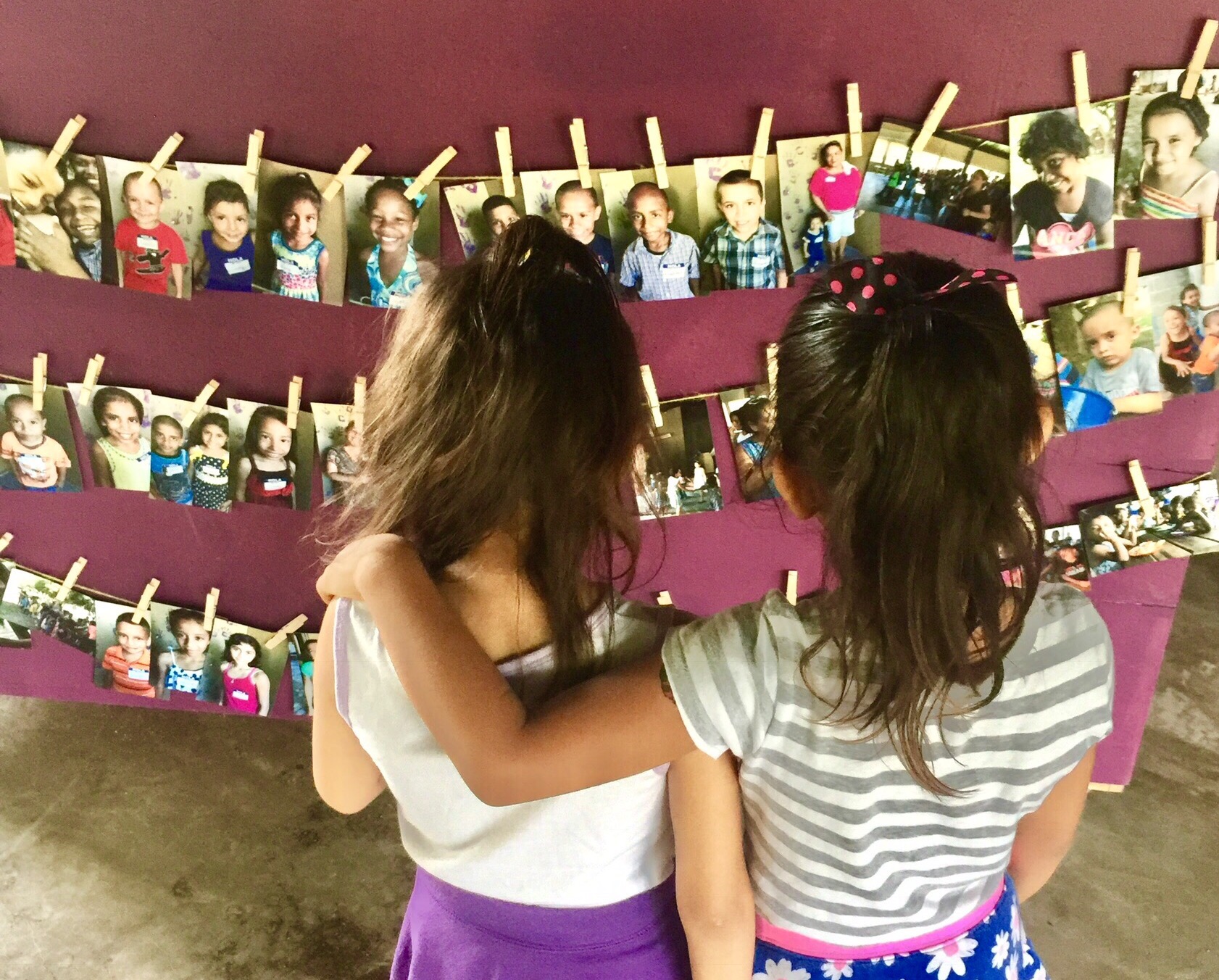 Admiring the family
However, ODM has done so much more for its children than meet their physical needs. It has given them hope and purpose to their lives. And each child seems to know that their hope and purpose is in the resurrected Savior. They attend church on Sunday and chapel on Wednesday every week at the orphanage. They study Bible stories in the orphanage classrooms. They pray before meals and at bedtime. Their unwavering faith in Jesus’ promise of salvation was infectious and touched us all deeply. Despite all they have been through, they love the Lord.
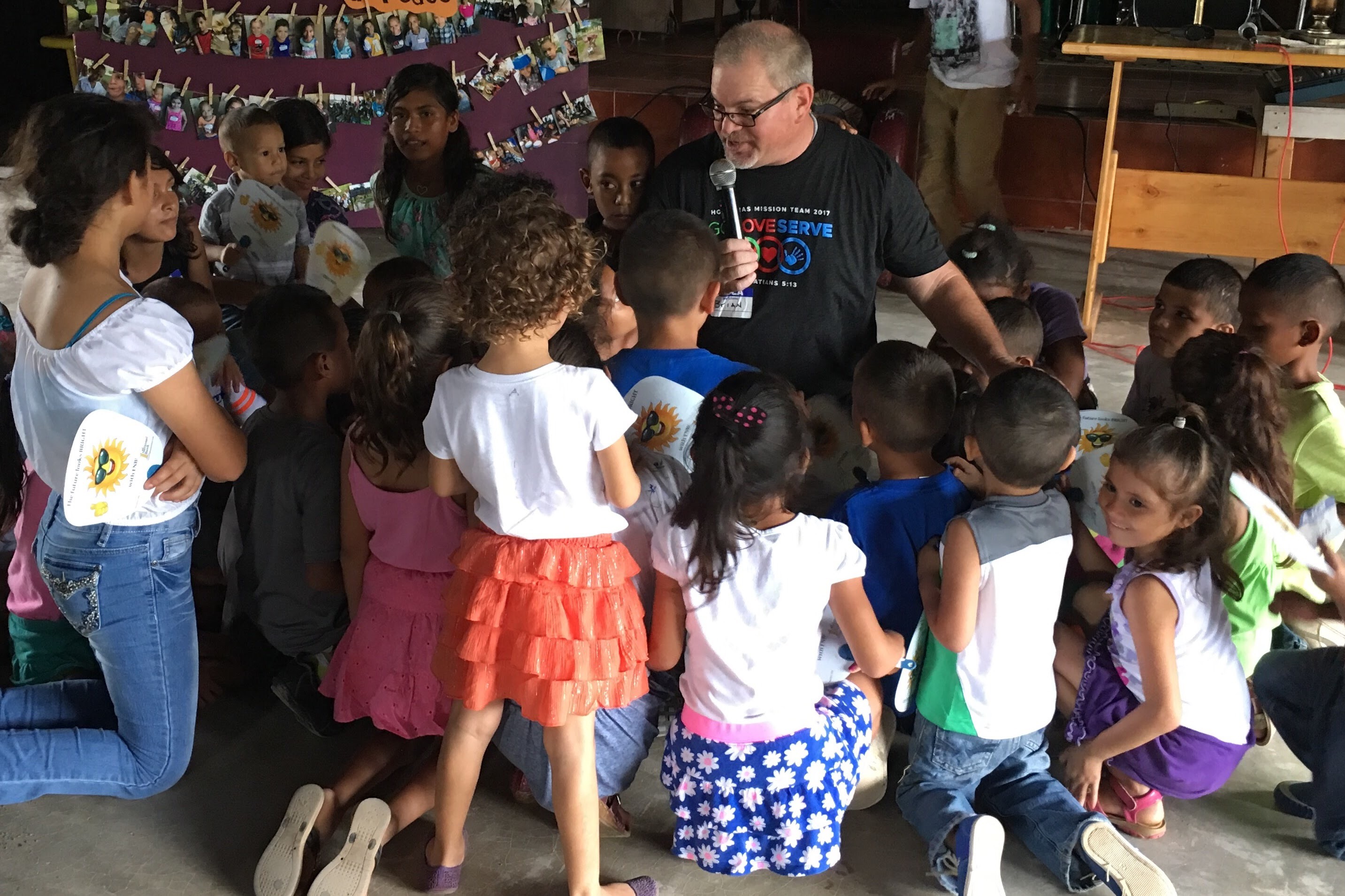 Hearing the Gospel message
We have been back almost a month now and life is getting back to normal … but I hope I will never be back to normal. As I said at the beginning, these children and this experience have changed me. I don’t know how, exactly, but I know I’m not the same. Some things that once seemed important to me, things I thought I had to have or needed to do, seem trivial in light of the enormous needs of others. The things that used to annoy and inconvenience me seem insignificant when remembering the challenges others face. The longer I am away from the orphanage, the easier it becomes to slip into my old ways. I pray God continues to change my heart.
We knew when we left the orphanage that our work was not finished. We were with just 70 orphaned or abandoned children in a country with tens of thousands more in a world with many more third-world countries that also have tens of thousands more orphaned and abandon children. There are also abused and abandoned children in our own country and also homeless families as a result of so many recent natural disasters. Maybe I can’t do much, but I have to do what I can. I can’t ignore the orphans anymore.
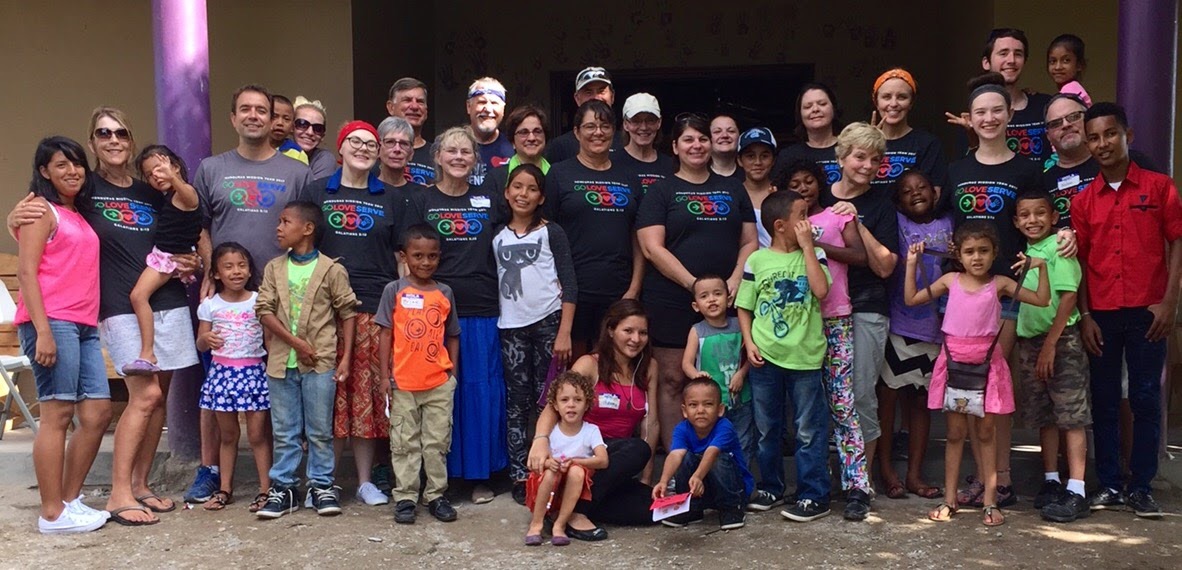 Our week 2 mission team and some of the children of Open Door Ministries
📷 Many of the photographs are courtesy of team member Pattie Peterson.


Cheryl, you have such a wonderful gift of writing just the right things. I am blessed to know you. I went on 2 mission trips to Belize several years ago, and it changed my life too. These children are so precious. It is heartbreaking to see what the conditions are and when you talked about the rape and abuse, it is just terrifying. God bless you all for your work there. As you said, you do what you can. We are getting involved with a ministry in Haiti -Trinity/Hope. They feed the children there for $.25 a day. We will be sponsoring a school there. The children that attend one of the Christian schools there, get 1 meal a day . It is so sad to see what all these children have to go through in these poor countries!! (and some here in the USA too!)
Thank you again for your story!! Have a blessed day!!
LikeLike
Thanks, Marlene. I’m glad you got to experience mission trips and be a blessing to the children. It occurs to me that the only difference in our lot in life and that of these children is simply where we were born.
LikeLike